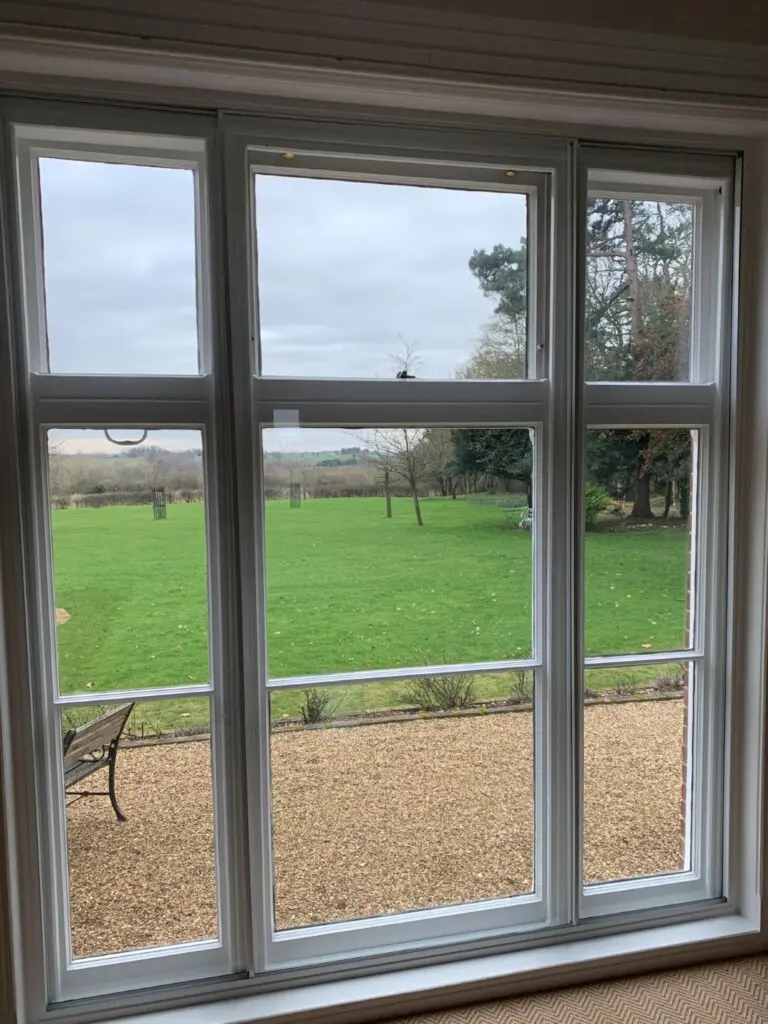
Looking for a smarter way to keep your home warm in winter and cool in summer? Secondary glazing is the perfect solution! By adding an extra layer of insulation to your existing windows, it helps reduce heat loss, making your space more energy-efficient and lowering your heating bills.
Learn More Start Your QuoteSecondary glazing is the process of adding an additional window pane to the inside of your existing window frame, creating an extra layer of glass that works in conjunction with your primary window. This secondary pane acts as an extra barrier, offering numerous benefits such as improved insulation, soundproofing, energy efficiency, and security—all without the need for full window replacement.
Secondary glazing is typically fitted to the inside of your current windows, with the space between the two panes creating an insulating air pocket. This gap is highly effective at reducing heat transfer, keeping your home warmer in winter and cooler in summer. The added layer of glass also helps to block out external noise and reduce drafts, leading to a more comfortable and peaceful living environment.
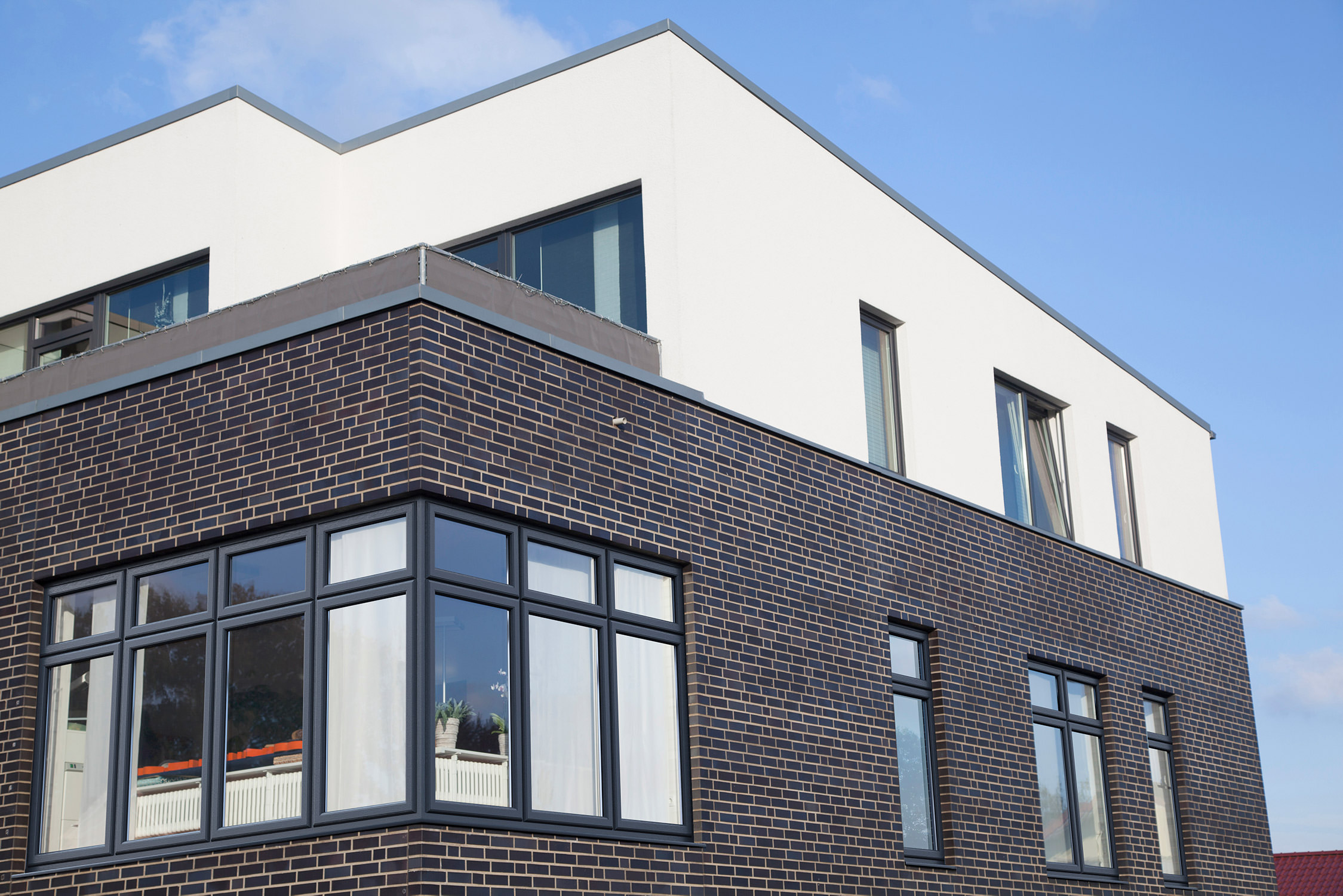
Secondary glazing acts as an additional insulating layer, significantly reducing heat loss through your windows. This helps to keep your home warmer in the winter by trapping heat inside and cooler in the summer by preventing excess heat from entering. The improved insulation can also lead to lower energy bills, making your home more cost-effective and environmentally friendly.
Living near busy roads, railway lines, or airports can mean constant exposure to external noise. Secondary glazing provides an effective sound barrier, significantly reducing noise pollution and creating a quieter, more peaceful indoor environment. Whether you’re working from home, relaxing, or trying to sleep, secondary glazing helps maintain a calm and comfortable atmosphere. By investing in secondary glazing, you can enjoy improved energy efficiency, a quieter home, and enhanced comfort all year round—without compromising the appearance of your existing windows.
Secondary glazing adds an extra layer of protection to your windows, making it harder for potential intruders to break in. The additional pane of glass can significantly increase the strength of your windows, acting as a barrier to forced entry. This extra layer also offers enhanced safety for families with young children, as it can help prevent accidents by reducing the risk of window-related injuries. Moreover, in the event of a breakage, the secondary glazing can help contain the shards, reducing the likelihood of injury or damage. With secondary glazing, not only are you improving your home’s comfort and efficiency, but you're also investing in added security and peace of mind for your family.
Secondary glazing comes in a variety of styles to suit different needs and preferences:
Secondary glazing is an excellent solution for a wide range of properties, including:
Secondary glazing is designed to be discreet and unobtrusive. The installation is typically done on the inside of your existing windows, and the secondary glazing can be custom-made to match the style of your home. For historic or listed properties, this means you can retain the original look of your windows while benefiting from modern insulation and noise reduction.
Yes, secondary glazing is relatively straightforward to install, and often doesn’t require major alterations to your property. It’s a non-invasive solution that can usually be installed in just a few hours, depending on the size of your windows. Professional installation is recommended for optimal results.
Secondary glazing is suitable for a wide variety of window types, including single-glazed, sash, casement, and tilt-and-turn windows. It can also be tailored for different property styles, from modern homes to historic and listed buildings.
Yes, secondary glazing is often more affordable than full window replacement. It provides an economical solution for improving insulation and soundproofing, particularly in older homes with single-glazed windows. The cost is generally lower than installing new double-glazing, making it a cost-effective alternative for upgrading your windows.