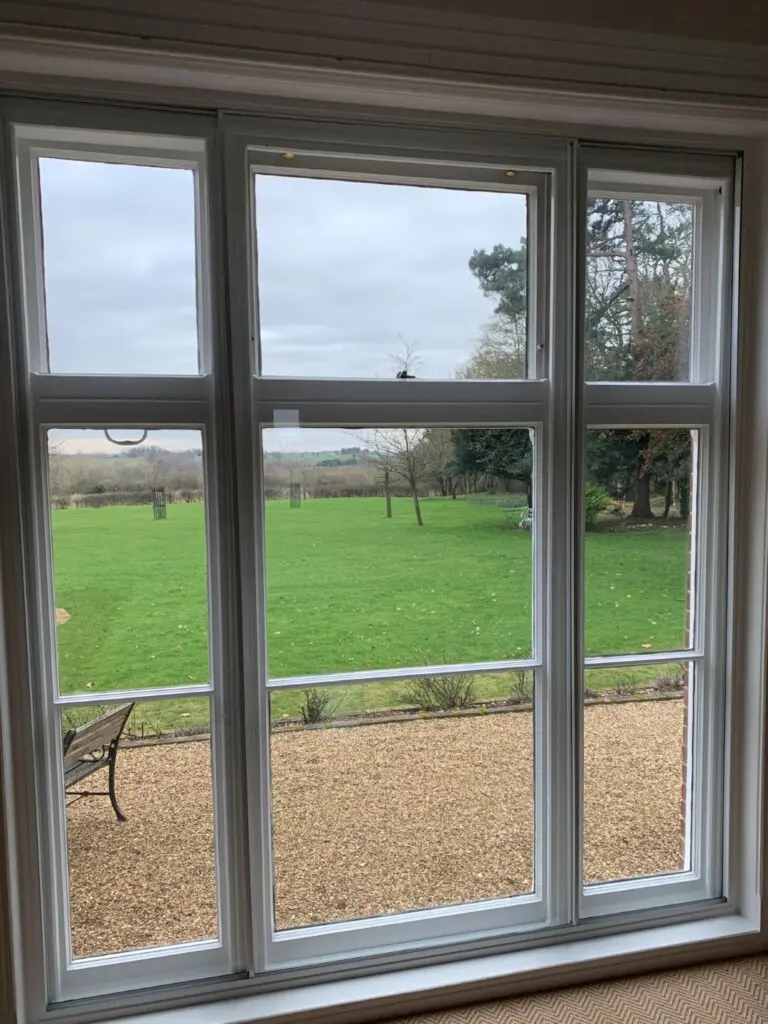
When it comes to improving the comfort, energy efficiency, and soundproofing of your home or building, replacing windows with newer, more efficient models is often the first solution that comes to mind. However, in certain situations—whether due to budget constraints, preservation requirements, or structural limitations—replacing windows may not be an option. This is where secondary glazing comes into play as an excellent, cost-effective alternative.
In this post, we’ll explore what secondary glazing is, why it is needed, the types of buildings and scenarios where it is most useful, its cost-effectiveness, and the key benefits it offers to homeowners and building managers.
What is Secondary Glazing?
Secondary glazing is a window installation solution that involves adding a second layer of glazing to the interior side of an existing window. This secondary layer of glass or acrylic acts as a barrier between the original window and the room. It is typically installed using frames that are placed alongside the primary window, and it can be a fixed or movable unit, depending on the specific needs of the building.
The key difference between secondary glazing and double glazing is that secondary glazing is added to the existing window, whereas double glazing involves replacing the whole window with a new, two-pane unit. Secondary glazing is often considered a retrofit solution for situations where installing new windows isn’t feasible.
Why is Secondary Glazing Needed?
Secondary glazing provides a range of practical benefits that make it an appealing alternative to replacing windows, especially in certain situations. Here are some of the reasons why secondary glazing is needed:
-
Historical or Listed Buildings: Many older buildings, especially those that are listed or have historical significance, may not be allowed to undergo window replacements. Building regulations and conservation rules often prohibit replacing original windows, particularly in listed buildings, to preserve the architectural character and historical integrity of the structure.
-
Budget Constraints: Replacing old windows with new ones can be costly, especially in large buildings with numerous windows. Secondary glazing provides a more affordable way to improve energy efficiency and comfort without the significant financial burden of full window replacement.
-
Noise Reduction: For buildings located in noisy areas, such as near busy streets or airports, secondary glazing offers significant noise reduction benefits. The additional layer of glazing helps to buffer external sounds, making indoor environments quieter and more peaceful.
-
Energy Efficiency: Secondary glazing helps improve a building’s thermal efficiency by reducing heat loss. In older homes or buildings with single-glazed windows, secondary glazing can provide a much-needed insulation boost, keeping the building warmer in winter and cooler in summer.
Types of Buildings and Scenarios Where Secondary Glazing is Useful
Secondary glazing is particularly beneficial in various building types and scenarios. Here are a few examples:
-
Conservation Areas and Listed Buildings: In areas where strict planning and conservation regulations are in place, secondary glazing can provide an ideal solution. It allows building owners to improve energy efficiency and noise insulation without compromising the integrity of the building’s appearance. The addition of secondary glazing is a reversible process, meaning it can be removed if needed without damaging the original window frames.
-
Residential Properties: For homeowners living in older homes with single-glazed windows, secondary glazing can be an affordable and effective way to enhance comfort. It helps to reduce drafts, lower energy bills, and increase overall home insulation, especially in homes that are not suitable for full window replacement due to budget restrictions.
-
Offices and Commercial Buildings: Secondary glazing can be especially beneficial in commercial properties located in noisy urban areas or near busy transportation hubs. By reducing noise pollution, secondary glazing helps create a more productive and comfortable working environment. Furthermore, it can improve the energy efficiency of older office buildings, leading to cost savings on heating and cooling.
-
Schools and Healthcare Facilities: Noise reduction is often a critical concern in schools and healthcare facilities. Secondary glazing can provide a quieter environment for students, teachers, patients, and staff, ensuring that external noise doesn’t interfere with concentration or recovery.
Cost-Effectiveness of Secondary Glazing
One of the primary reasons people opt for secondary glazing is its cost-effectiveness. In comparison to completely replacing old windows, installing secondary glazing can save a substantial amount of money. Here’s a breakdown of the costs and savings associated with secondary glazing:
-
Lower Installation Costs: Secondary glazing is generally more affordable to install than replacing windows. The cost depends on factors such as the size and type of windows, the materials used, and the complexity of the installation. For example, fixed secondary glazing is usually less expensive than movable or sliding units.
-
Energy Savings: Secondary glazing helps reduce heat loss through windows, making it a great way to improve the energy efficiency of your home or building. In cold weather, secondary glazing helps keep the warmth inside, reducing the need for additional heating. This can lower your energy bills over time.
-
Noise Reduction: If you live or work in a noisy area, secondary glazing can significantly reduce external noise, creating a quieter, more comfortable indoor environment. This is especially beneficial for people working from home or in offices where concentration is important.
-
Long-Term Durability: Secondary glazing is typically a durable solution, with many units designed to last for many years with minimal maintenance. When compared to the costs of maintaining or replacing older windows, secondary glazing can offer long-term savings.
Key Benefits of Secondary Glazing
-
Improved Insulation: Secondary glazing provides an additional layer of insulation, improving the thermal performance of your windows. It helps maintain a more consistent indoor temperature, reducing the need for heating and cooling.
-
Noise Reduction: One of the most significant advantages of secondary glazing is its ability to reduce external noise. Whether you live in a noisy neighborhood or near a busy road, secondary glazing can make your home or office much quieter.
-
Preservation of Building Aesthetics: Secondary glazing allows you to preserve the original windows of your property while improving energy efficiency and comfort. This is especially important for historic or listed buildings where window replacements might not be an option.
-
Non-Intrusive Installation: Secondary glazing is a non-invasive solution that doesn’t require major changes to the structure of your existing windows. It’s also reversible, making it an attractive option for tenants or those in rented properties.
-
Affordable and Flexible: With a variety of frame and glazing options available, secondary glazing can be tailored to meet your specific needs and budget. It’s a flexible and adaptable solution that can be installed in various types of buildings.
Conclusion
Secondary glazing is an effective, cost-efficient solution for improving the insulation and soundproofing of buildings without the need for full window replacement. Whether you are looking to enhance the comfort of your home, reduce energy bills, or preserve the character of a listed building, secondary glazing can be an excellent choice.
At Carera Windows, we specialize in secondary glazing and offer a range of options to suit your specific requirements. Our products are designed to provide long-term benefits, including improved energy efficiency, noise reduction, and preservation of your building’s aesthetic. If you’re interested in learning more about secondary glazing and how it can benefit your property, visit our secondary glazing page for more information.
For additional reading and resources, check out some of the following trusted sources:
- Historic England: Secondary Glazing for Listed Buildings
- Energy Saving Trust: Improving Home Insulation
Secondary glazing is a practical and sustainable solution that can breathe new life into your windows while offering significant savings. Why not explore how secondary glazing can transform your building today?